From boards to brass — the small decisions that decide how a kitchen will look and last.
A material is a decision you live with every day
People often think a kitchen is decided by the layout — where the sink goes, where the fridge sits, how many drawers fit under the island. Layout matters, but the truth is the materials are what you live with every morning. They are the surface your hand brushes against when you reach for coffee, the panel your child smudges with chocolate fingers, the door that opens and closes ten thousand times a year. Get the materials wrong and the most beautiful layout in the world will start to feel tired within eighteen months.
In The Gambia, this matters more than most clients realise. Our climate is generous to people but unkind to materials. Humidity swings between 40% in the dry season and well over 80% in the rains. Salt-laden air drifts inland from the coast. Direct sunlight through a poorly oriented window can warm a cabinet door to 50°C by midday. Every single material we specify has to survive that — and still look good doing it.
Boards: the bones of every cabinet
The carcase of a kitchen — the boxes you never see once the doors are on — is the single most important material decision we make. We work almost exclusively with moisture-resistant MDF (MR-MDF) for cabinet bodies, sourced through suppliers who can show us their density and moisture-tolerance certifications. Standard MDF is cheaper and easier to find, but it swells the first time a leaking dishwasher hose meets it. MR-MDF will sit in standing water for hours and shrug it off.
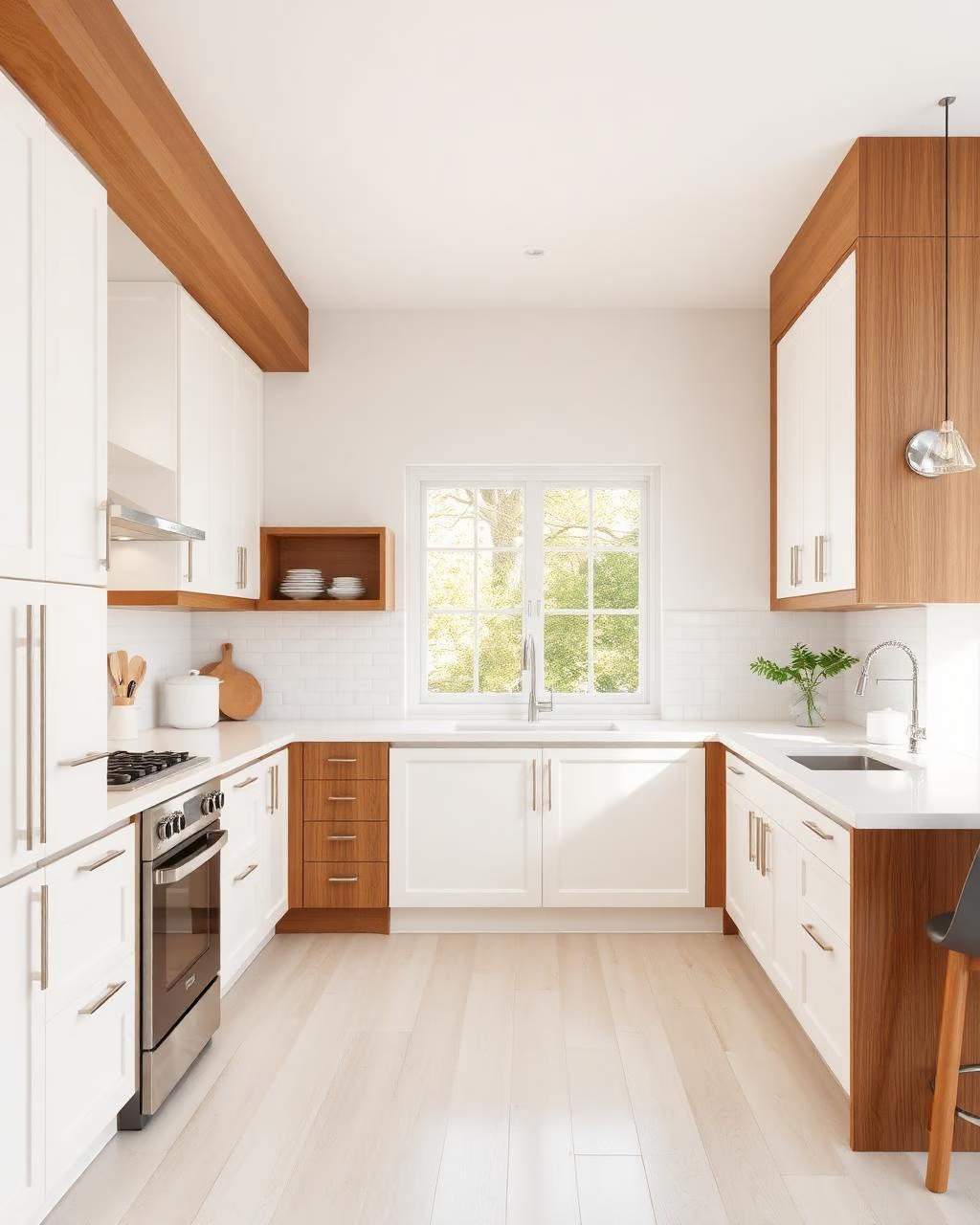
For doors and visible panels we use a mix depending on the design language: lacquered MDF for our smooth handle-less work, veneered plywood for warmer, more architectural projects, and occasionally solid hardwood — usually mahogany or sapele — for traditional shaker fronts where the wood is meant to be the hero.
Worktops: the surface that takes the punishment
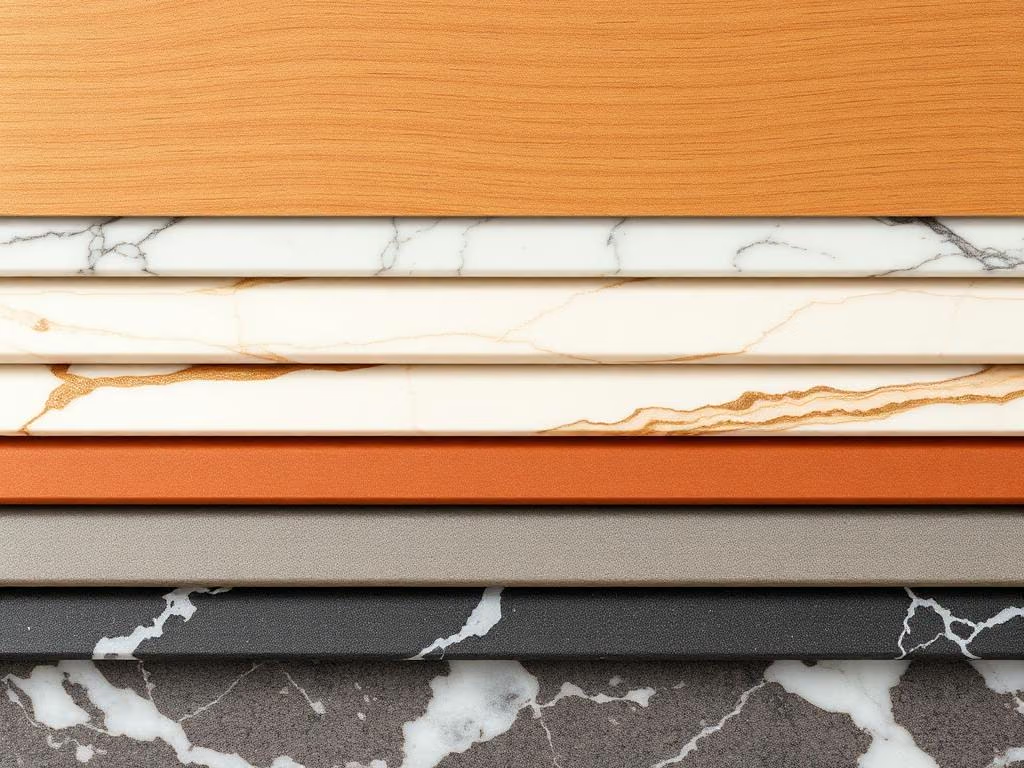
A worktop earns its keep. It gets cut on, spilled on, set hot pans on, scrubbed with citrus and bleach. We have three favourites:
- Quartz composite — our most-specified worktop. Non-porous, doesn't stain, doesn't need sealing. The Gambian humidity has zero effect on it.
- Granite — beautiful, cool, locally available, but every slab is unique so we always select with the client at the yard.
- Solid timber — wonderful in the right kitchen, but only when the client understands the maintenance commitment. We oil it every six months for the first year.
We almost never specify polished marble in working kitchens here. It looks magnificent on day one and acidic on day ninety.
Hardware: the jewellery
Hinges, runners, handles. The smallest line on the budget and the part of the kitchen the client touches most. We standardise on German soft-close hardware — Blum or Hettich — because we have ten-year-old kitchens in Brusubi where the runners still close like the day they were installed. Cheap hardware is the single fastest way to age a kitchen.
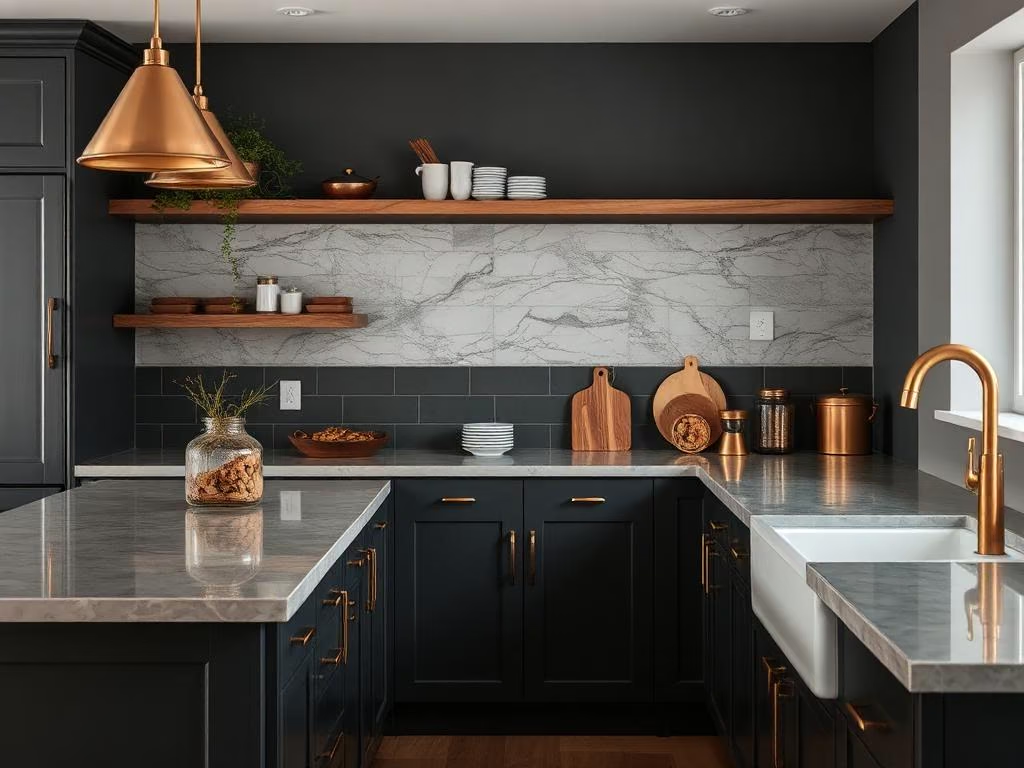
For visible handles we mix brass, brushed steel, and matte black depending on the room. A small detail, but the difference between a kitchen that feels designed and one that feels assembled.
Finishes: where it all comes together
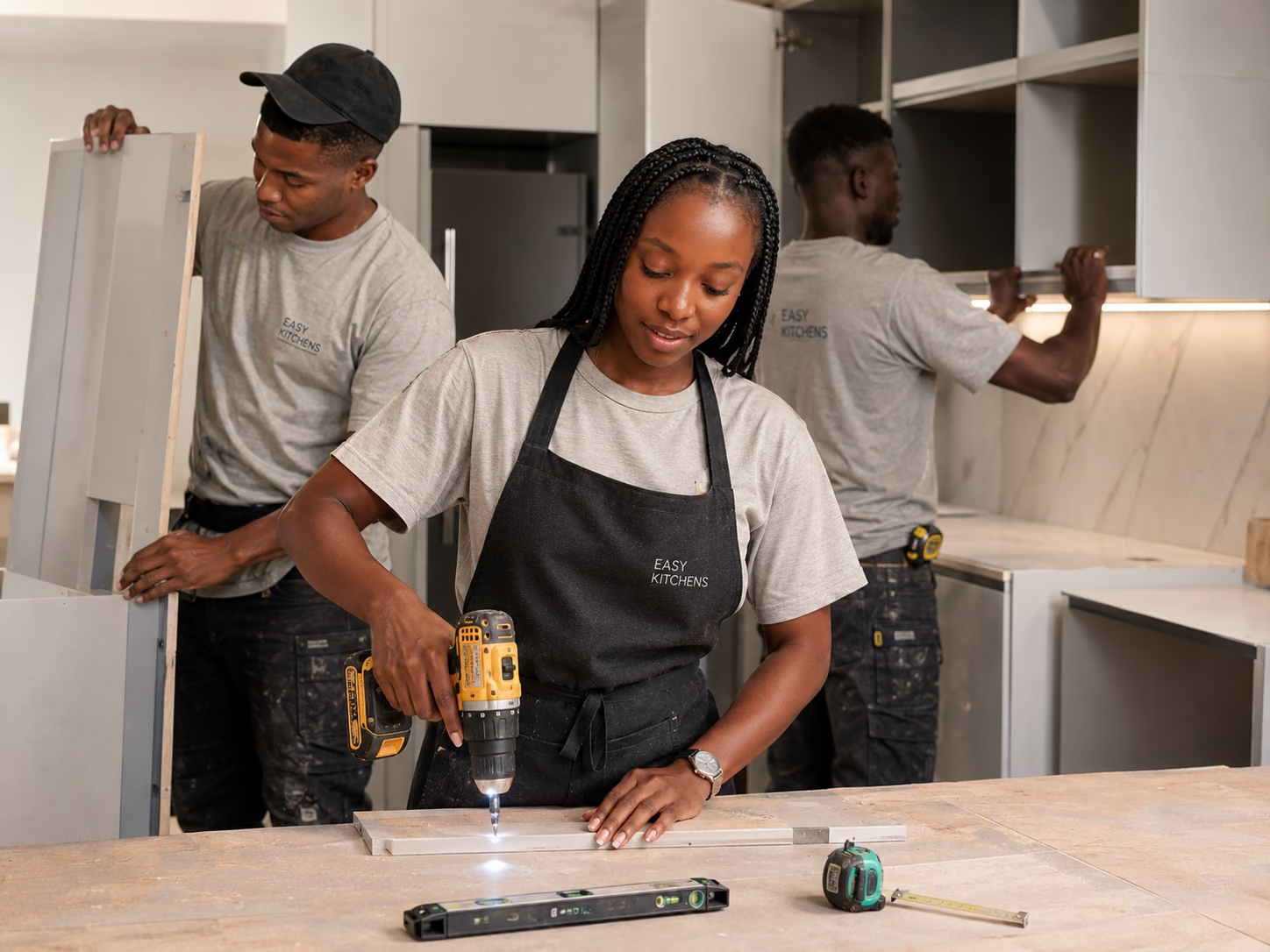
We build our own doors in the workshop, which means we control the finish from start to end. Our standard lacquer process is six coats — two primers, two colour, two clear — sanded between each. It takes longer. It also means a door that still looks new after five years of being slammed by enthusiastic teenagers.
Every material on this list was chosen because we have living, breathing examples of it in Gambian homes that are still beautiful five, eight, ten years on. That, more than anything, is how we choose.