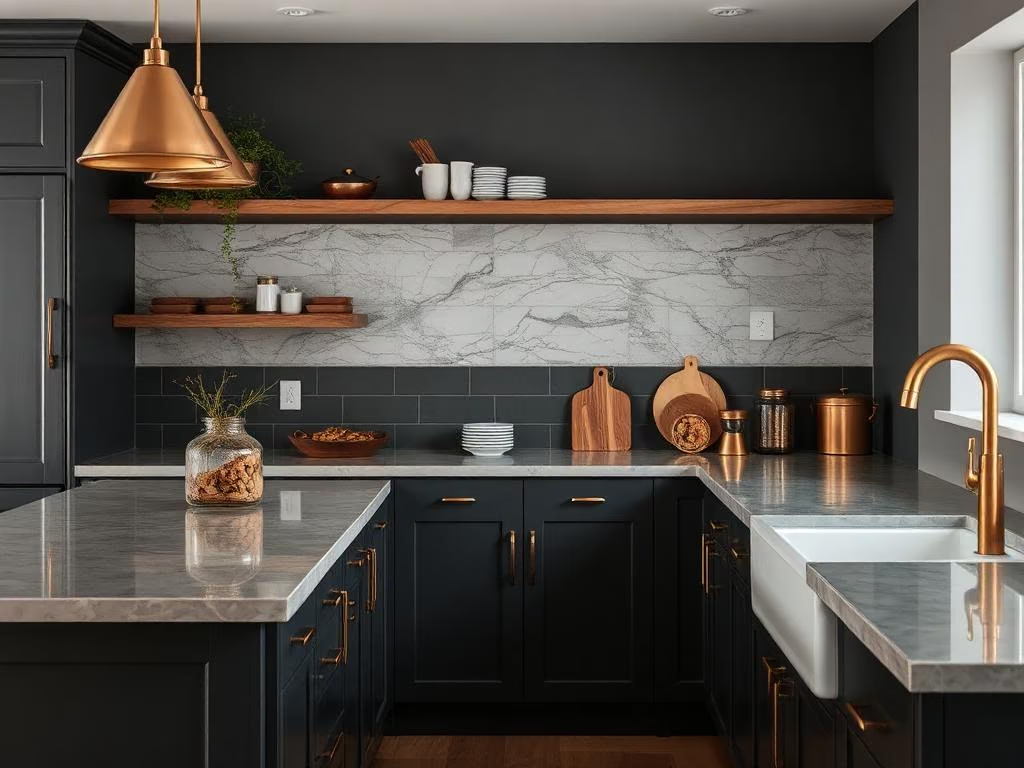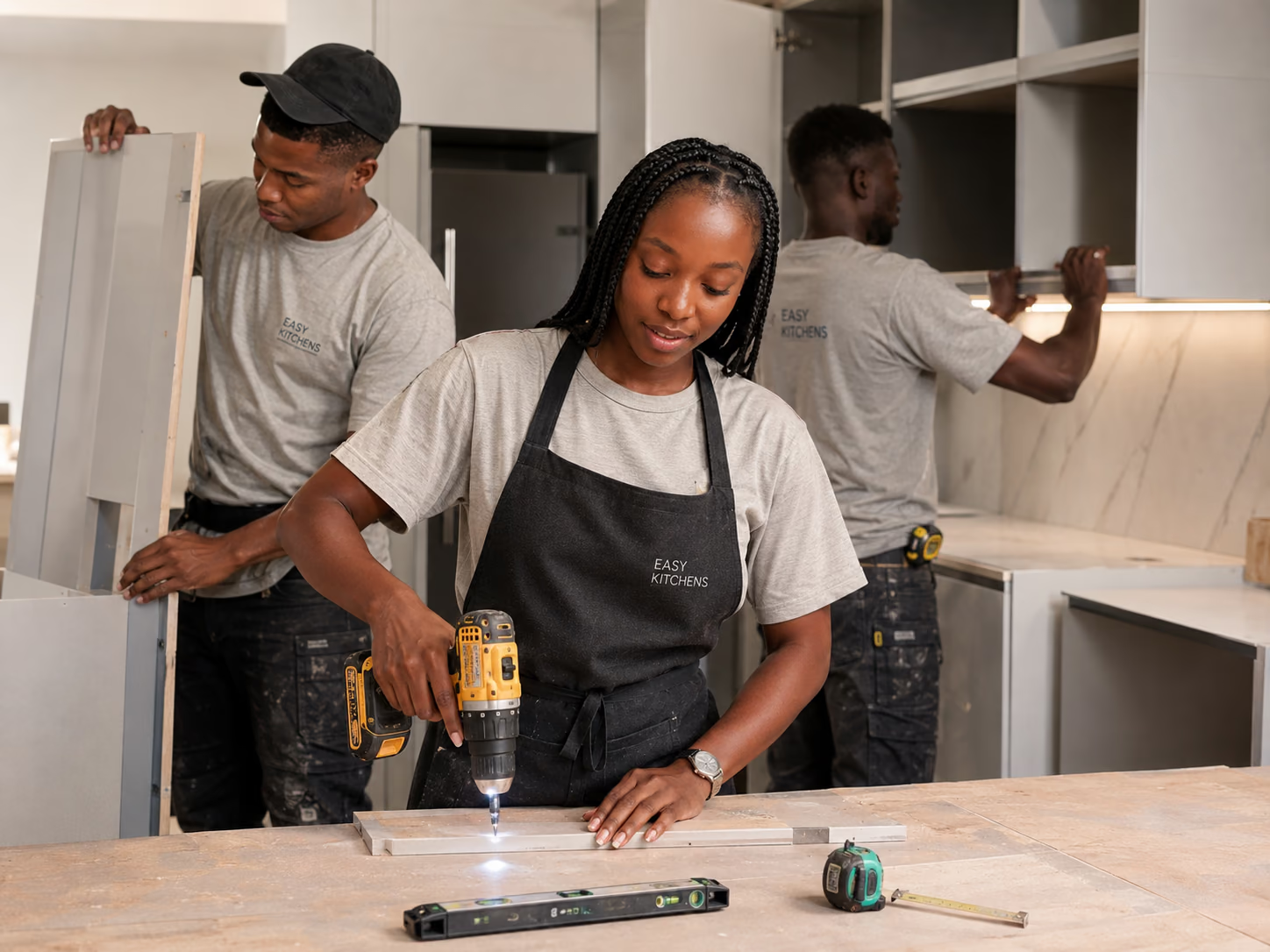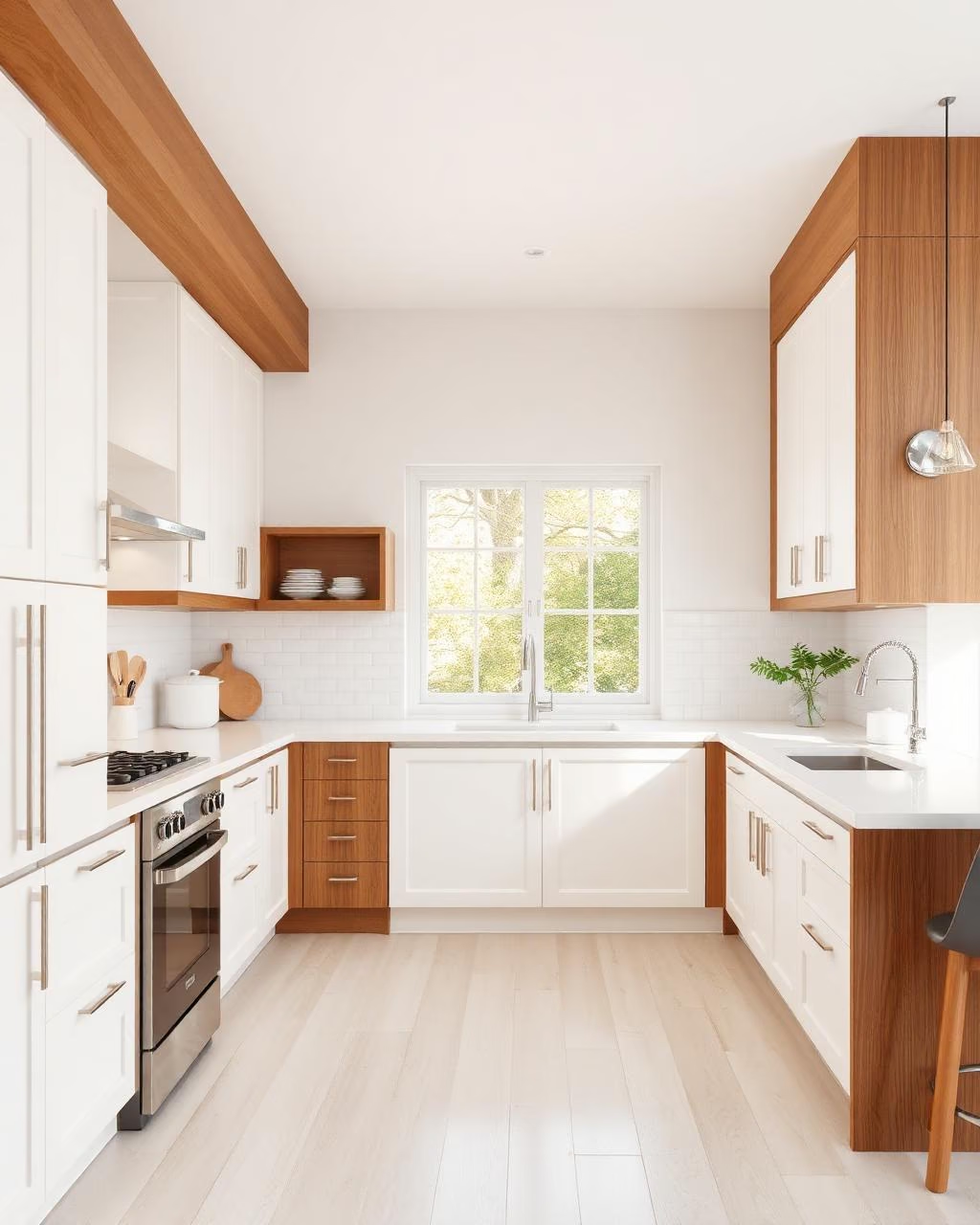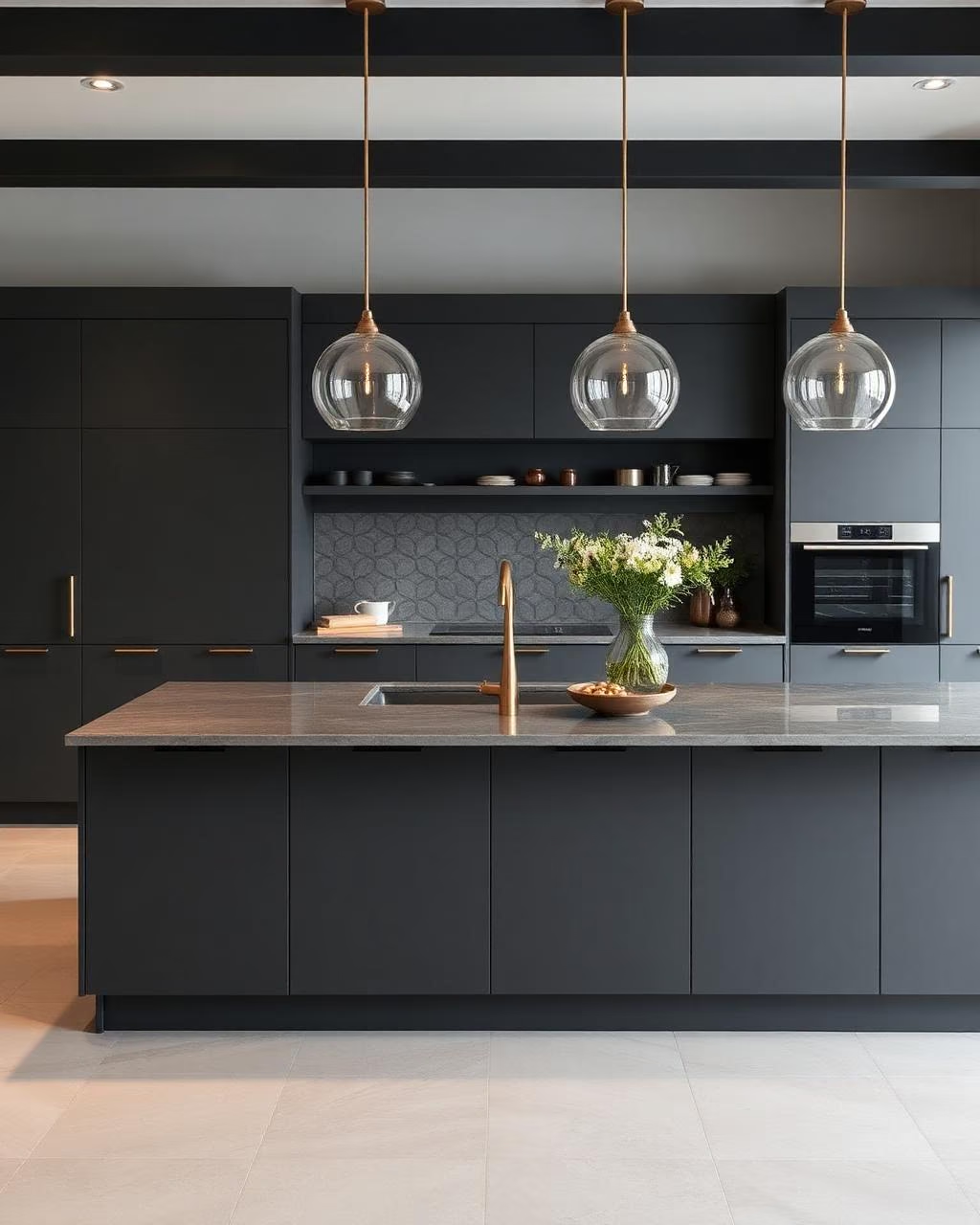
Forget the trends — the best kitchens are designed around real daily routines.
The best kitchens disappear
When a kitchen is working — really working — you stop noticing it. You reach for the knife block and it's where it should be. You open the fridge and the bin is right beside you for the apple core. The kettle, the mugs, the spoons all sit within a single arc of your arm. You make a coffee in forty seconds without thinking.
That kind of invisibility doesn't happen by accident. It is the result of someone — us, hopefully — having watched you cook before they drew a single line.
The three workflows that decide a layout
Every kitchen has three workflows we map before we lay anything out:
1. The morning workflow. Coffee, breakfast, lunchboxes, school run. Fast, repetitive, often in the dark. 2. The dinner workflow. Slower, more spread out, often involves chopping, multiple pots, oven heat. 3. The hosting workflow. Wine glasses, serving platters, ice, more people in the room than the room was designed for.
The dirty secret of kitchen design is that most kitchens are laid out for the dinner workflow and nothing else. The morning is treated as an afterthought. The hosting is treated as somebody else's problem. We believe a good kitchen has to handle all three without being reorganised for the occasion.
Small interventions, big difference
A few of the things we've learned to design in:
- A "morning zone" — kettle, toaster, mugs, tea, coffee, and a small undercounter fridge for milk all within one square metre. Means the rest of the kitchen can stay asleep until lunchtime.
- Bin placement next to prep, not under the sink. You generate ten times more waste from chopping than from rinsing. The bin should be where the chopping happens.
- Plates stored near the cooker, not the sink. They go from oven to plate to table — that's the natural flow. Storing them by the sink means an extra walk every meal.
- Drinks fridge near the door. When friends arrive, they want a cold drink. They shouldn't have to walk into the working kitchen to get one.
Why we ask so many questions
When we sit down for the design meeting, we will ask questions that can feel oddly specific. Do you batch-cook on Sundays? Do you eat standing up? Does anyone in the house have mobility limitations? Do your children pour their own cereal? Do you bake bread? Do you use a pestle and mortar?
Every answer changes a drawer. The pestle question alone has rerouted more designs than we can count — pestles are heavy, awkward, and live best in a deep drawer near the prep area. If we don't ask, we lose them in a high cupboard nobody can reach.
Trends are seductive. Routines are forever.
Every year there's a new trend. Hidden handles. Coloured taps. Fluted glass. Pantry cupboards that pretend to be wardrobes. Some of them are wonderful. Some of them will look dated in three years.
What never dates is a kitchen that fits the way you actually live. Build for the routine, and the trend will look after itself.